


Concussion Physiotherapy for Safer Recovery
A concussion can make ordinary tasks feel unexpectedly demanding. A busy screen, a drive through traffic, a workout, or a conversation in a noisy restaurant may bring on headache, dizziness, fatigue, brain fog, or irritability. Concussion physiotherapy provides a structured way to assess those symptoms, identify what is keeping recovery from moving forward, and build tolerance without pushing the nervous system too far.
The goal is not simply to wait until every symptom disappears. It is to help you return to the things that matter - work, school, parenting, training, driving, and sport - at a pace that is safe and measurable. Recovery is highly individual, which is why a plan should be based on your symptoms, function, medical history, and daily demands rather than a generic timeline.
Why concussion symptoms can persist
A concussion is a brain injury caused by a blow, jolt, or force that makes the brain move within the skull. Loss of consciousness is not required. Symptoms can begin immediately or become more noticeable over the next several hours or days.
For many people, symptoms improve steadily with appropriate early management. Others continue to experience headaches, sensitivity to light or noise, visual strain, dizziness, neck pain, poor sleep, concentration difficulties, or reduced exercise tolerance. Persistent symptoms do not mean that recovery is impossible or that damage is worsening. They do mean the person deserves a more detailed assessment.
Several systems can contribute to how a person feels after concussion. The neck can be irritated by the same force that caused the head injury, and neck-related pain can refer into the head. The vestibular system, which helps control balance and spatial orientation, can become sensitive. Eye movement and visual processing can make reading, screens, and busy environments difficult. Changes in exertion tolerance, sleep, stress, and mood can also influence symptoms.
This is why a one-size-fits-all approach falls short. Someone whose main issue is spinning dizziness when turning their head needs different care from an athlete whose symptoms only appear during high-intensity exercise or an office worker who develops headaches after 20 minutes of computer use.
What concussion physiotherapy assesses
A physiotherapy assessment starts with the story behind the injury: how it happened, what symptoms began, how they have changed, and which tasks trigger them. Your physiotherapist will also consider previous concussions, migraine history, neck injuries, medications, sleep, mental health, work requirements, and sport-specific demands.
The physical assessment may include cervical spine movement and strength, balance, gait, coordination, eye tracking, visual motion sensitivity, and vestibular function. It may also include a carefully monitored exertion test to understand how your body responds to increased heart rate and activity.
This process is not about provoking symptoms unnecessarily. It is about finding a useful threshold. Mild, brief symptom changes during testing or rehabilitation can sometimes be expected, but a significant flare that lingers is a sign the activity needs to be adjusted. Good concussion care uses symptoms as information, not as a reason to avoid all activity indefinitely.
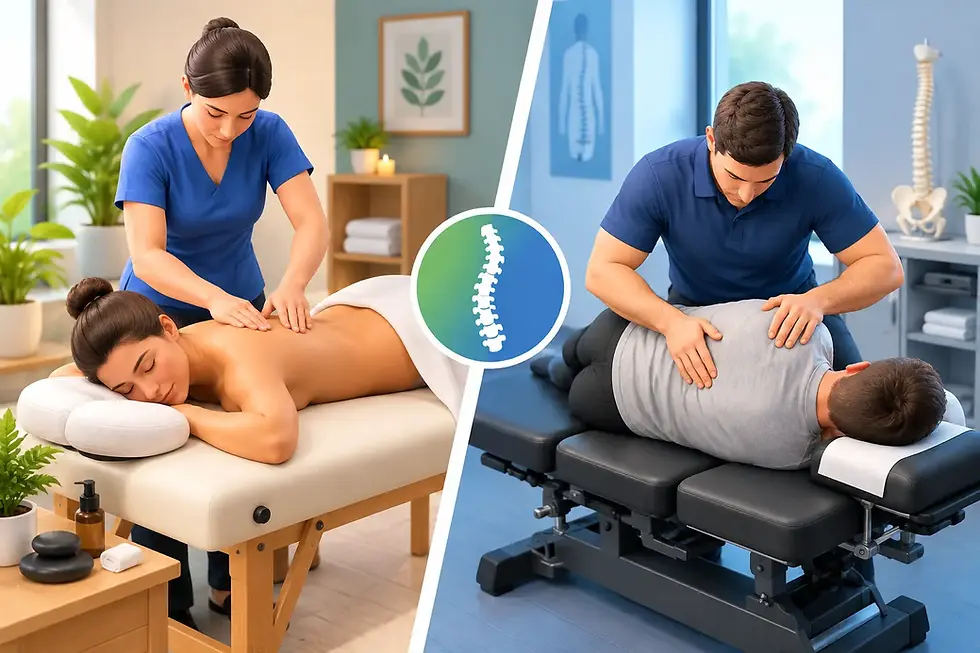
Physiotherapy also works best as part of appropriate medical care. A physician or nurse practitioner may be involved in diagnosis, medical monitoring, imaging decisions when indicated, and referrals for other concerns. At an integrative clinic, coordinated care may also include chiropractic care for selected neck-related findings, massage therapy for surrounding soft-tissue tension, or support from other regulated providers when those services fit the treatment plan.
Treatment is active, but not aggressive
Complete rest was once commonly recommended for long periods after concussion. Early rest can be appropriate, especially in the first day or two, but prolonged withdrawal from movement, work, school, and normal routine can slow recovery for some people. The better approach is relative rest followed by gradual, symptom-guided re-engagement.
Your treatment plan may include targeted neck mobility and strengthening, balance training, vestibular rehabilitation, visual-vestibular exercises, and graded aerobic exercise. Education is equally important. Understanding why symptoms rise and fall can reduce fear, improve pacing, and help you make better decisions between appointments.
Cervical rehabilitation
Neck pain, stiffness, and headache are common after the same impact that caused a concussion. When the neck is contributing to symptoms, treatment may involve manual therapy, mobility work, deep neck muscle training, posture and movement coaching, and progressive strengthening. The right approach depends on the assessment. Aggressive hands-on treatment is not automatically better, particularly when symptoms are irritable.
Vestibular and visual rehabilitation
Dizziness is not always the same problem. It may occur with head movements, visual motion, rapid position changes, or specific balance challenges. Physiotherapy can use individualized exercises to retrain gaze stability, balance, and tolerance to movement.
Visual symptoms may include trouble focusing, eye fatigue, blurred vision, difficulty reading, or discomfort in busy spaces. Some people respond well to visual-vestibular rehabilitation, while others may need assessment from an optometrist or another vision professional. Referral is a strength of a comprehensive plan, not a failure of physiotherapy.
Graded aerobic exercise
Appropriately prescribed aerobic exercise can help rebuild exertion tolerance and confidence. This may begin with walking, a stationary bike, or another low-risk option below the level that causes a meaningful symptom increase. Duration and intensity are progressed based on response.
For an athlete, the endpoint is not merely tolerating a workout. They need to tolerate sport-specific movement, decision-making, contact risk where applicable, and the cognitive demands of competition. For a professional who spends much of the day on screens, the plan may focus more heavily on visual breaks, work pacing, and gradual exposure to cognitively demanding tasks.
Returning to work, school, and sport
Return to activity is a progression, not a test of toughness. Trying to push through severe symptoms can prolong a flare, while avoiding every trigger can shrink your tolerance over time. The right level is usually somewhere in between.
A return-to-work plan may include shorter shifts, scheduled screen breaks, reduced exposure to noisy environments, temporary task modification, and gradual increases in cognitive load. For students, adjustments may involve rest breaks, reduced workload, delayed testing, or extra time for assignments while capacity rebuilds.
Return to sport should follow a staged process and be medically supervised. Exercise, sport-specific drills, non-contact practice, and full practice each place different demands on the brain and body. Progression should only occur when the previous stage is tolerated as directed. A same-day return to play after a suspected concussion is not appropriate.
For active adults, the desire to get back to training is understandable. Exercise can be valuable, but high-risk activity should wait until clearance is appropriate. A second injury before recovery is complete can carry serious consequences, even when the first concussion seemed mild.
When urgent care is needed
Most concussions do not require emergency treatment, but certain symptoms should never be managed by simply booking a rehabilitation appointment. Seek urgent medical assessment for worsening or severe headache, repeated vomiting, increasing confusion, unusual behaviour, seizure, weakness or numbness, slurred speech, unequal pupils, significant drowsiness or difficulty waking, or loss of consciousness.
Children, older adults, people taking blood thinners, and anyone with a significant mechanism of injury may need additional caution. When in doubt, seek medical guidance promptly.
What progress should look like
Recovery is rarely perfectly linear. A better week can be followed by a difficult day after poor sleep, excess screen time, stress, travel, or a sudden increase in activity. The key is to look for the broader trend: fewer symptom spikes, quicker recovery after activity, greater tolerance for work and exercise, improved balance, and more confidence in normal movement.
At MetaTherapy, concussion rehabilitation can be coordinated around the systems affecting your recovery and the goals that define your return. That may mean preparing for a full workday, returning to the gym without fear of a headache flare, or progressing safely back to competitive sport.
If symptoms are interfering with daily life, do not wait for motivation or willpower to solve the problem. A detailed assessment can turn a frustrating, uncertain recovery into a plan with clear next steps and realistic markers of progress.


Comments